
The Library on the Lagoon
THE LIBRARY ON THE LAGOON is an ephemeral library and public research outpost on the Lagos Lagoon. The project takes place aboard a barge that invites participants to reflect on the relationships between water, archives, resistance, and imagination.
Rather than a traditional exhibition, the project is participatory.
Writing, listening, and environmental action happen together. The central work, Lagoonal Calendar, invites participants to reflect on the lagoon’s past, present, and future, and physically connects their words to a trash-collection wheel operating in the water.
Contributing Artists: Maryam Kazeem, Joshua Segun-Lean, Adeyosola Adeniran, and Nisreen Kaj.
CURATOR’S NOTE
How to place a body of water—to understand its boundaries and location? Rather than where, The Library on the Lagoon begins with when. To ask ‘when is the Lagos Lagoon?’ is to underscore both a beginning and a possible ending.
Situated within the history of the British colonial government’s reclamation of approximately 1,000 acres of swamp from the lagoon between 1904 and 1946, the project departs from this colonial relationship and its lasting influence on how we engage with, experience, and make use of the lagoon today.
An ephemeral archive and public research outpost on the Lagos Lagoon, the space invites visitors to reflect on the relations among water, archives, resistance, and imagination. Through the intersection of these themes, the project emphasizes how Lagos’s political, economic, and cultural histories shape dominant attitudes toward terrestrial and marine life. It asks how these histories determine the values assigned to these ecosystems—as resources necessary to sustain human life or as sites where human life itself takes place.
Such assignations of value raise critical questions about the commons and ecological responsibility: Who owns the lagoon? Should it be equally accessible to all, and to what end? Are the risks posed by our activities to human and non-human life justifiable?
If the lagoon exists in our collective imagination as either a problem of waste management or as a luxurious venue attraction, then its future, and ours, depends on imagining something else. In that process, we begin to accept that its future and ours are inseparable, that this body is our body, deserving of care.
Extending these questions of value and responsibility, the Lagos Lagoon emerges not as a passive site but as a witness—one that predates colonial grammars and resource framings and will remain long after. As we study it, it studies us in return, recording our gestures and actions, its waters reflecting who we are and what we have done to it.
The Library on the Lagoon is a confrontation, spatially and temporally, daring us to resituate ourselves within an abandoned symbiosis with the lagoon. It suggests a different economy and a call to gather, reorganize our ways of being and seeing, and collectively shape a transient, evolving library—positioning the lagoon as a site of ongoing loss and recurrence.
- Maryam Kazeem, Joshua Segun-Lean, Nisreen Kaj, and Adeyosola Adeniran
CREDITS
Project Director + Curator
Maryam Kazeem
Curatorial Contributors
Adeyosola Adeniran
Nisreen Kaj
Joshua Segun-Lean
Producers
A Whitespace Creative Arts (AWCA) Foundation
(Papa Omotayo, Yemisi Johnson, Abigail Iyowuna)
Project Coordinator + Design Producer:
Stephanie Ohwo
Design Engineers:
Peter Adelaja and Ogunniyi Adebambo
Technical Lead: Dike Anthony
Production Interns: Adefila Toluwanimi Joshua (Lead), Precious Ilesanmi, Oluwafolakemi Adewunmi, Judah Ayelero,
Julius Olorunfemi, Bolukorede Oyediran
Graphic Design
Chief Designer: Osione Itegboje
Graphic Designer: Abdullahi Bello
Exhibition Design + Installation
MOE+ AA
(Papa Omotayo, Oyinade Adegbite, Tosin Olasunkami)
Sponsors
Anonymous Was A Woman in partnership with New York Foundation for the Arts
Lagos State Environmental Protection Agency
Lagferry
FESTAC 2077
FESTAC 2077 (2021-)
FESTAC 2077 is a Lagos based platform for art publications and cultural experiences leading up to 2077. Through installations, workshops, and gatherings, FESTAC 2077 draws on the dynamic legacy of FESTAC 1977 to document new pan-African futures and experimental publishing practices. A partnership between iranti press and A Whitespace Creative Agency (AWCA), the FESTAC 2077 platform activates cultural experiences dedicated to promoting cultural production, community engagement, literacy, capacity building, and creating dynamic, accessible, and innovative art publications.
While its thematic framing is the FESTAC of 1977, the intention of FESTAC 2077 is not to replicate the original festival or its archival traces. Rather, the project references this significant period of Black diasporic history and creative ferment to develop new, expansive strategies for cultural exchange in the present day. Through writing and repetition, the programme continues to imagine, ideate, and enact the story of FESTAC 2077.

Curator’s Statement
Manifesto ACTS! (2023 - ) marks the charged space between the manifesto as a literary object and the manifesto as a material intervention. In this space, where the rhetorical and the discursive intervene in the world of social action, and in turn undergo various processes of reification and remediation, the manifesto produces its own terms of –terms which often exceed the intentions of the document’s authors.
While its popular use might seem anachronistic, recalling bygone periods of artistic and political ferment, the questions posed by the manifesto, and its history, remain potent, and are especially critical today, in a historical moment in which speech acts carry increasingly fraught and more ambiguous political meanings, and in which advances in internet use blur the lines between personal and public speech.
For this project, a question of particular relevance is the question of survival. If the defining attitude of the manifesto is declarative, an attempt to present the authors’ viewpoints in accordance with or in opposition to prevailing norms, in what ways does the manifesto imagine its own persistence? How does it imagine its movement, either toward the realization of the world it affirms or against, and therefore beyond, the world it rejects? In other words, what is survived in and by the manifesto?
Crucial to the question of survival are questions of form: how does the manifesto survive, materially and discursively, after the moment of its production? Responsibility: to and for whom is the manifesto responsible? Risk: what does the manifesto risk in interrogating the conditions of its production? What does it risk in putting its language to work? Intervention: how does the manifesto participate in its reception? How is it marked, catalyzed, or constrained by the social world it enters? What affects and antimonies saturate its afterlives?
In exploring these questions, Manifesto ACTS! initiates projects, experiences, and interactions which take up notions of the public and publicness, authorship and authority, spectacle and speculation, text and intertextuality. The programme is curated by iranti press founder, Maryam Kazeem and writer Joshua-Segun Lean.
Workshops
Manifesto SEEDS
May 2023
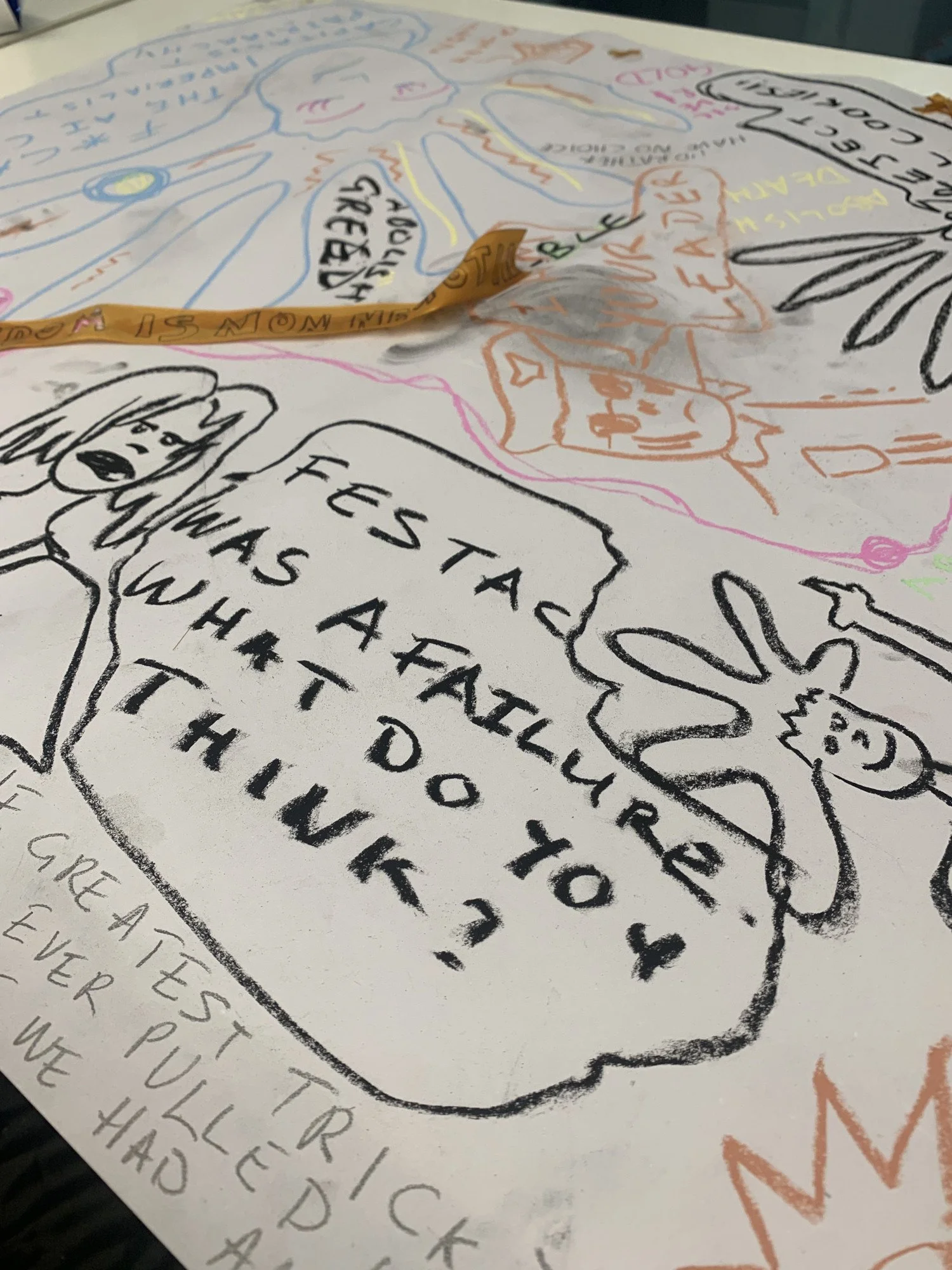
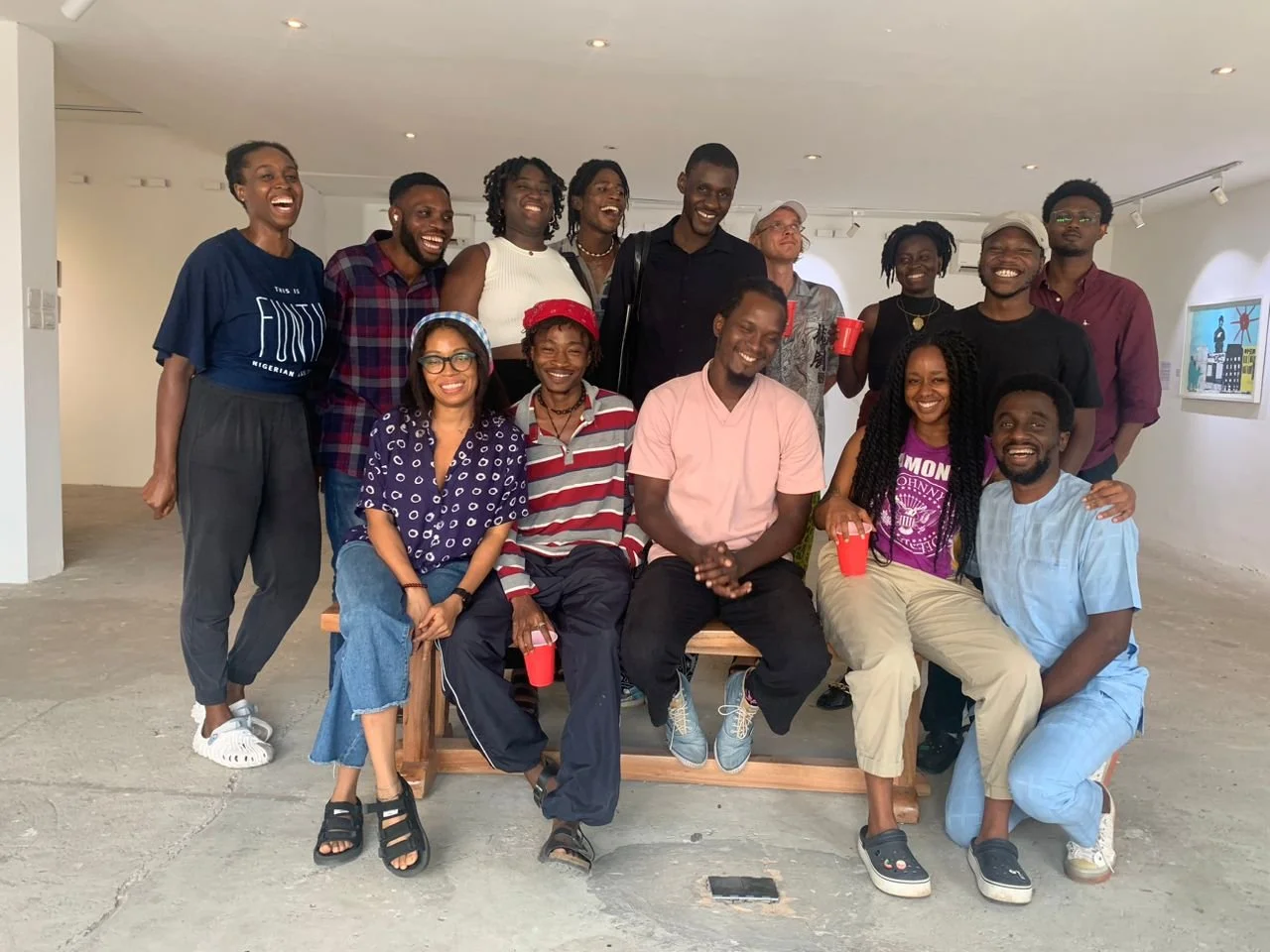
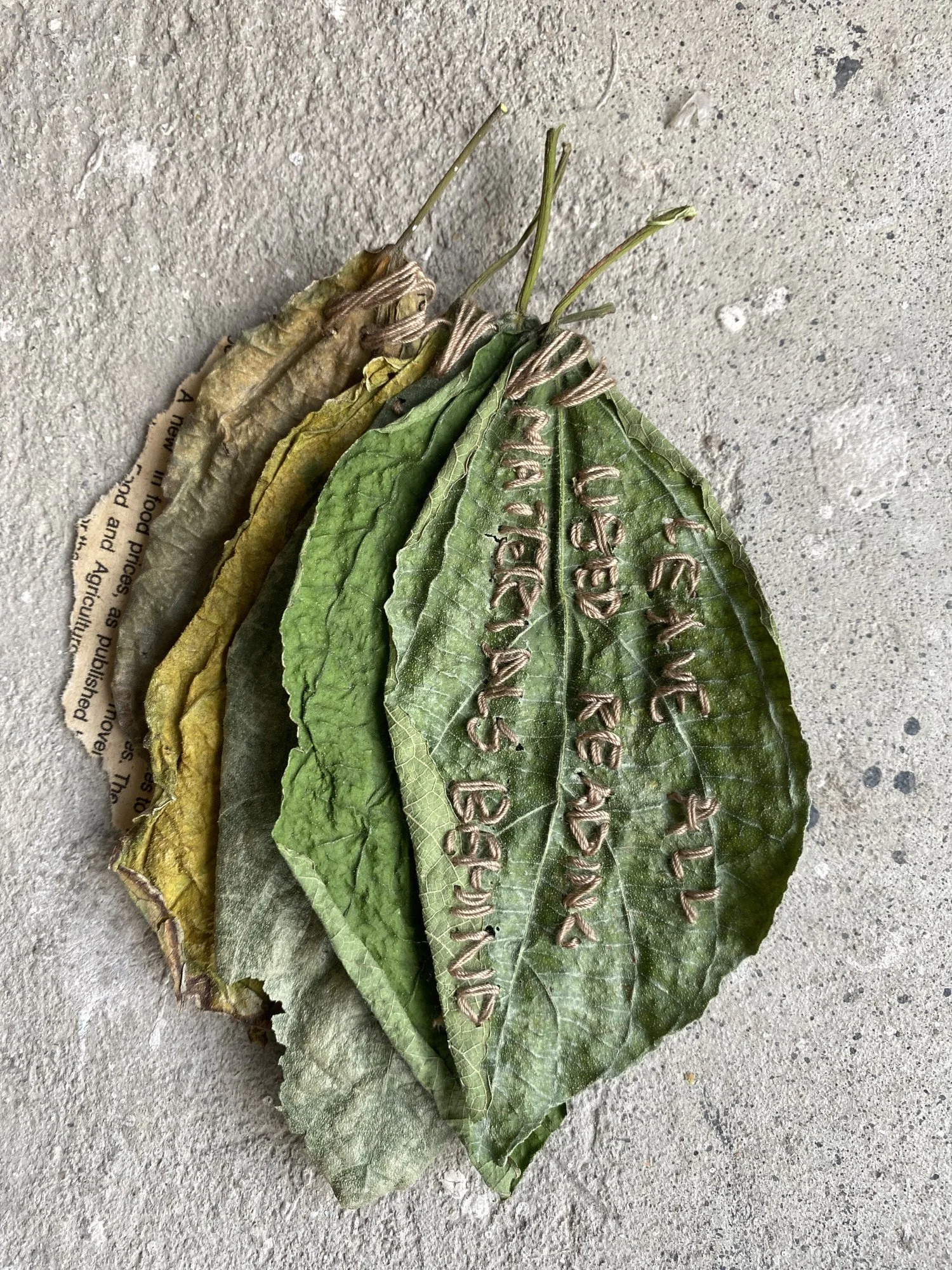
FESTAC 2077, began in 2023 with an experiential writing workshop in Lagos, with a notable challenge: How can we brainstorm collectively and approach a hypothetical event? A speculation and a seemingly tangential dream? Over the duration of two weeks, writers, artists, and cultural practitioners were invited to participate in a workshop that focused on writing in and within public space.
During Manifesto Seeds, participants navigated public writing exercises, which asked: How can we mark, preserve, and engage with a rapidly changing Lagos? How can we document and speculate on Lagos in the future?
The workshop took place at three public locations in Lagos: National Public Library Yaba, Eko Atlantic, and the Lagoon.
Publishing ACTS!
July 2024
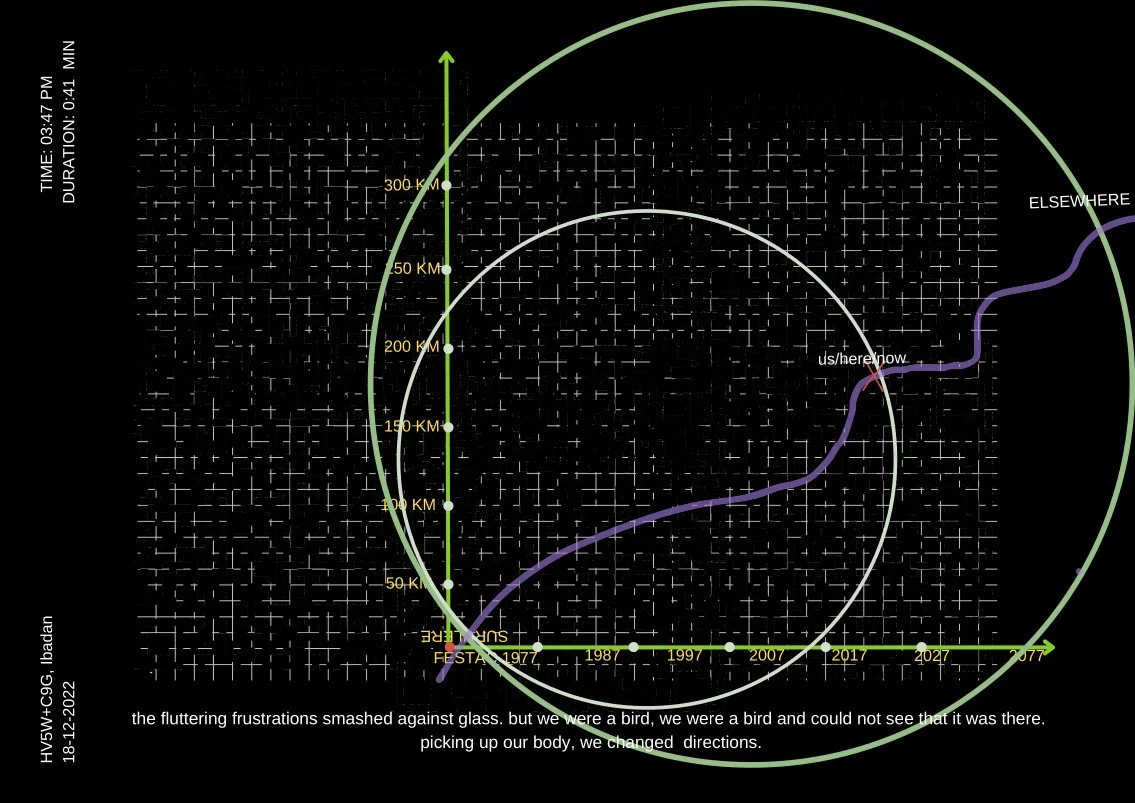
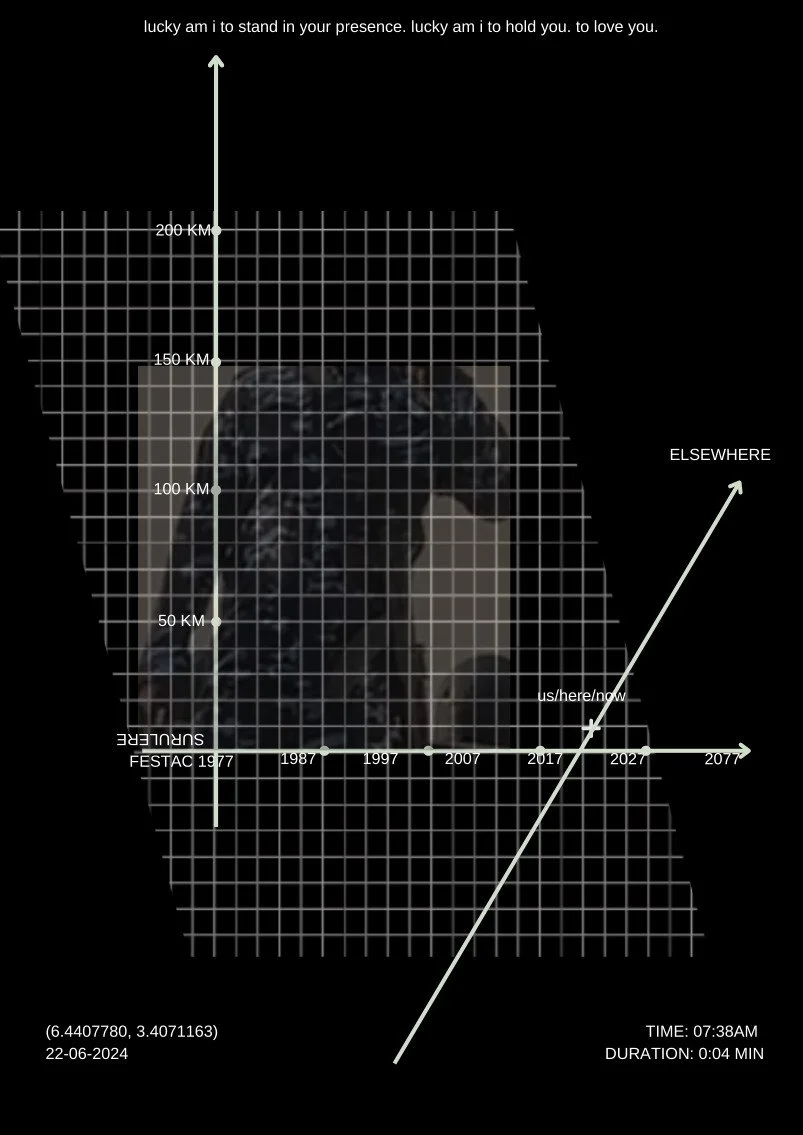
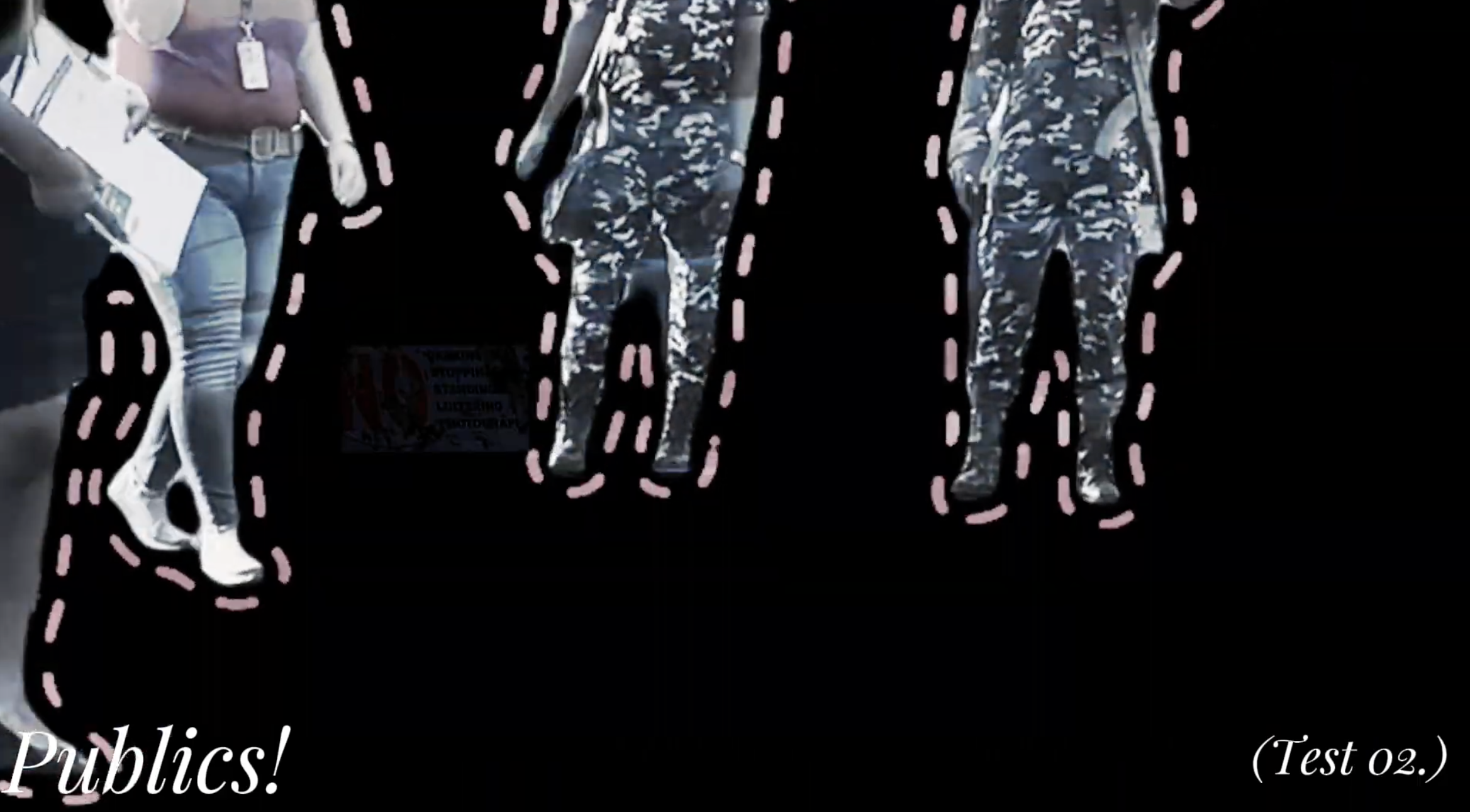
Publishing ACTS! is a month-long experimental publishing workshop, which explores artistic interventions and translates them into acts of publishing, whereby publishing is expanded beyond traditional forms into alternative material, space, and publics.
The July programme proceeds from the 2023 programme MANIFESTO SEEDS, an exercise of contemplation and gathering in consideration of a potential FESTAC future, alongside increasing diminished public space in Lagos. Publishing ACTS! embarks with archival manifesto traces originating from the twentieth century pan-African festivals. How can these texts be repurposed or expanded? Manipulated? Erased? What do they provide as a sort of source material as we project our desires for our present and future? What do they reveal about the past? How do we even begin to write the world that we want to live in? The workshop considers a series of prompts and various paths to compose a collaborative manifesto for 2077 through alternative publishing practices, which consider publishing as a space for speculation, initiation, and critique.
Referenced by Yoruba Photoplays, which exist between the sonic (oral and aural), literary (written), visual (photographic), and kinetic (performative)–workshop participants employ site specificity as they perform publishing acts through a series of experiments throughout Lagos. Their collaborative attempt explores pluralistic modes of collaboration which question singularity and accord as an end goal. Why should we all simply agree on our desire and vision for the future?
This workshop was made possible by the Goethe Institut Nigeria’s Support + Connect Initiative 2024.
Events
Upcoming Events
The Library on the Lagoon coming soon.




Past Events
October 2024
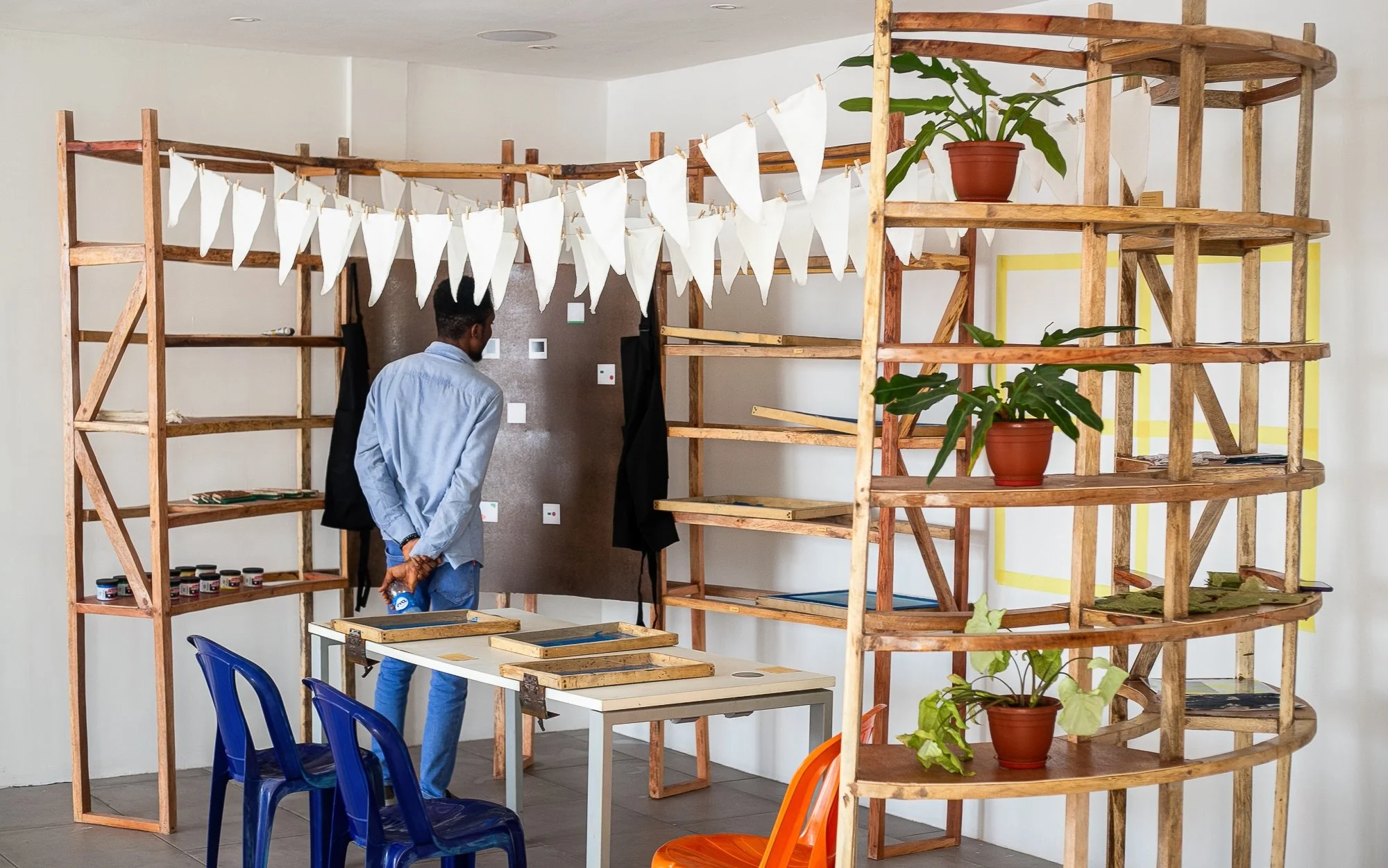
Write, if you please brings together the artistic responses from Manifesto Seeds (2023) and Publishing ACTS! (2024) workshops. It experiments with the logic of codices and ancient methods of knowledge keeping, reimagining how they can be applied presently.
The exhibition title is both open invitation and call to action, urging a view of authorship as a distributed, collective process. The use of language is emphasised as a social practice and cultural intervention, and the act of writing as a public and multivocal one. Writing as a public act considers some of the ways both language and public space become, and have always been, sites of contention, simultaneously revealing oppressive power structures and amplifying marginalized histories and accounts.
Through visual and sonic fragments of the workshops assembled into scenes, Write, if you please invites visitors to reflect on these themes and more importantly to cross the threshold from spectators to active participants. The workshop fragments have been entrusted to visitors by the artists, to continue the work begun in the workshops, and to enact public interventions of their own.
This exhibition was made possible by the Goethe Institut Nigeria’s Support + Connect Initiative 2024.
